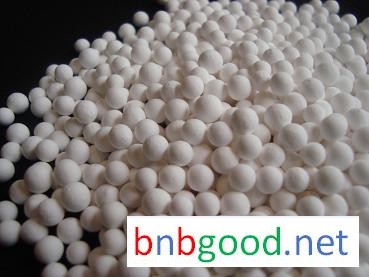
3-5mm activated alumina adsorbent defluorination activated alumina ball desiccant
Inhouse product
-

LUB12 standard controll unit
$60.00 -
Barbed Wire
$0.00 -
Perforated Sheet Mesh
$0.00

Activated alumina (Molecular formula Al2O(3-x)(OH)2x,0)
Types and Characteristics of Activated Alumina
Alumina is a porous, highly dispersed solid material with a large specific surface area. The micropores on its surface have adsorption capabilities.
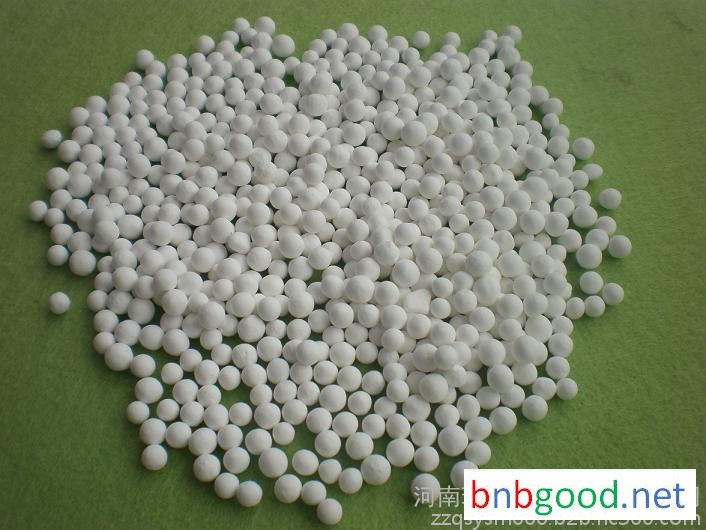
Activated alumina appears as white or slightly red spherical particles. It is insoluble in water and organic solvents, but soluble in strong acids and bases. It is odorless, tasteless, and non-toxic. It exhibits hygroscopic properties in the air, and does not expand or crack when absorbing water, maintaining its original shape. It is a highly porous and dispersed solid material with a large specific surface area. Its microporous surface has adsorption properties. Although it seems to be a simple oxide based on its molecular formula Al2O3, considering spatial factors, it is found to be a substance with complex morphological variations. To date, more than eight forms of alumina have been identified, including χ, η, γ, δ, κ, θ, ρ, and α-Al2O3. Not only are the properties of different forms vastly different, but even within the same form, the macroscopic structural properties (density, porosity, pore size distribution, specific surface area, etc.) can vary significantly depending on its source. Regarding the adsorption properties of activated alumina, powdered activated alumina typically has a pore volume of 300-800 mm3/g and a surface area of 100-300 m2/g. The pore size is mainly within the mesoporous range. When in contact with aqueous solutions, it is primarily covered by basic groups, and weak organic acids are mainly exchanged with it through the coordination matrix mechanism.
Activated alumina belongs to the category of chemical alumina. It is mainly used as an adsorbent, water purifier, catalyst, and catalyst carrier. Depending on its different applications, its raw materials and preparation methods vary. Activated alumina has many capillary channels, resulting in a large surface area. It can be used as an adsorbent, desiccant, and catalyst. Additionally, its affinity for substances depends on the strength of the adsorption material's polarity. It has a strong affinity for water, oxides, acetic acid, alkalis, etc. Activated alumina is a type of micro-water deep desiccant and also an adsorbent for polar molecules. The fluoride removal effect of activated alumina is similar to that of anion exchange resins, but it has a higher selectivity for fluoride ions. Activated alumina has good fluoride adsorption and desorption effects, with stable capacity. Each cubic meter of activated alumina can adsorb 6400 grams of fluoride. Activated alumina has high strength, low wear, does not soften in water immersion, does not expand, does not powder, and does not break. It can be widely used in the deep drying of petroleum cracking gases and ethylene propylene gases, as well as in hydrogen production, air separation plants, instrument air dryers. It can also be used for the treatment of fluoride in hydrogen peroxide and for removing pollutants such as sulfur, hydrogen, sulfur dioxide, hydrogen fluoride, and hydrocarbons from waste gases. It is particularly suitable for the fluoride removal treatment of water containing fluoride.
Activated alumina ceramic balls for fluoride removal are similar to anion exchange resins, but they have a greater selectivity for fluoride ions than anion resins. Activated alumina has effective adsorption and removal of fluoride, with stable capacity. Each cubic meter of activated alumina can adsorb 6400 grams of fluoride. This product features high strength, low wear, resistance to softening in water immersion, expansion, powdering, and cracking. It can be widely used in the deep drying of petroleum cracking gases and ethylene propylene gases, as well as in hydrogen production, air separation units, instrument air dryers, and the treatment of fluoride in hydrogen peroxide. It can also remove pollutants such as sulfur, hydrogen, carbon dioxide, hydrogen fluoride, and hydrocarbons from waste gases, making it particularly suitable for fluoride removal in water. This new type of alumina liquid material does not settle to the bottom or separate into layers. By mastering the information about activated alumina, we can make rational use of its unique properties, maximizing the benefits of activated alumina as a desiccant. Activated alumina is a porous material with adsorption and catalytic properties, high dispersion, and large specific surface area. It is suitable for drying various gases and liquids and is used as an adsorbent, desiccant, catalyst, and carrier in many chemical and industrial processes. This product is made from high-purity alumina through scientific formulation and catalytic processing. It has high compressive hardness, long service life, and can be reused through regeneration methods. This product is a white, spherical, porous substance that is non-toxic, odorless, does not powder, and is insoluble in water. It can adsorb and remove harmful fluoride from water, and can be used for fluoride removal, arsenic removal, sewage decolorization, and odor removal in drinking water and industrial applications.
Precautions for using activated alumina balls: Avoid improper operation to prevent reducing the product's effectiveness!
1) Do not open the packaging bag before use, to avoid moisture absorption, which may affect the effectiveness of the product.
2) This product is suitable for deeply drying applications. It is recommended that the pressure used be greater than 5 kg/cm2.
3) After a certain period of use, the adsorption performance of this product gradually decreases. It is necessary to regenerate it to remove the adsorbed moisture, allowing for repeated use. Regeneration conditions: in air or inert gas, at a temperature of 120-240°C for 3 hours.
Common specifications for activated alumina balls include: 1-3mm, 3-5mm, 4-6mm, 5-7mm, 6-8mm
Regeneration of activated alumina
After the activated alumina has reached saturation with adsorption, it is placed in a 100 g/L solution of aluminum sulfate and soaked for 30 hours. The solution is then discarded, and the activated alumina is washed 3 to 5 times with water, using 2 L of water each time. After prolonged use, the surface of the activated alumina turns yellow-brown, and its fluoride removal efficiency decreases. This is due to the adsorption of impurities. The activated alumina can be regenerated by treating it with 3% hydrochloric acid once, followed by the regeneration process described above. When regenerating the activated alumina or treating it, the following issues should be considered:
(1) The first regeneration of the filter media is relatively thorough;
(2) The adsorption capacity of the regenerated filter material for fluorine significantly decreases;
(3) If the pH value of the water is not adjusted for a long time, the de-fluorination tank will not function properly. This not only causes the filter media to become saturated prematurely, but also affects the adsorption capacity after regeneration.
(4) Extending the contact time between the activated alumina filter material and the strong alkali regeneration solution can increase the elution rate of fluorine.
(5) Extending the soaking time of the filter material in the acid solution can more thoroughly neutralize any remaining alkali.
(6) Adjusting the pH value of the incoming water within the specified range (6.5-7.0) not only improves the quality of the effluent, but also extends the service life of the activated alumina filter media, allowing the filter media to perform its fluoride removal function more effectively.
(7) The cost of using strong alkaline regenerated activated alumina filters is high. The discharge of large amounts of strong alkaline and strong acidic wastewater causes serious pollution to the surrounding environment. Moreover, the operating cycle of the filters significantly shortens after regeneration. This regeneration method is not suitable for the actual operation of water treatment plants. Henan Rulin Water Purification Materials Co., Ltd. Phone: 0371-53739366 Website: www.zghxt.net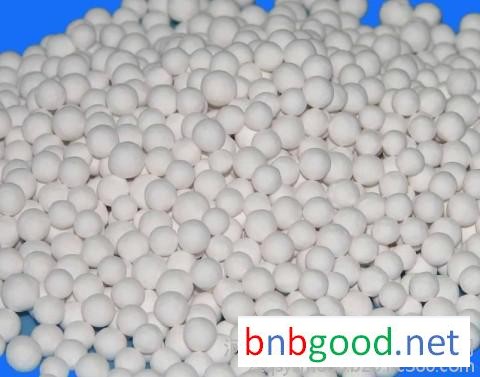
Related products
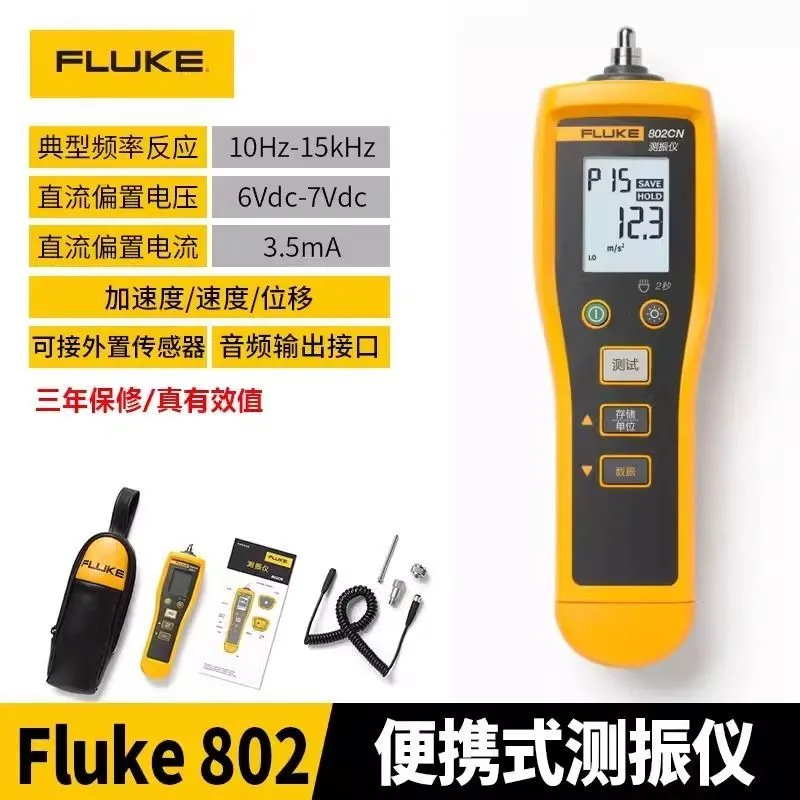
Fluke-805
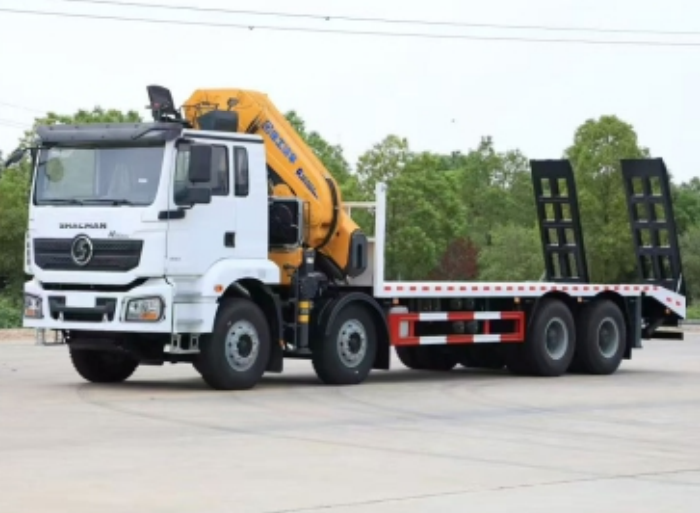
Folding arm crane
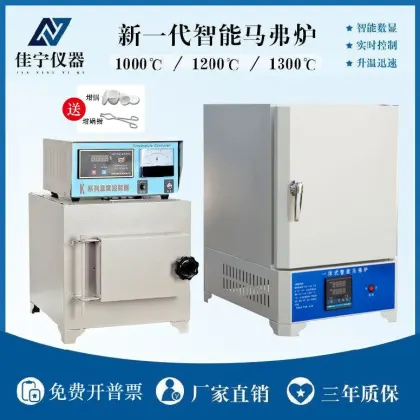
SX2智能马弗炉热处理灰分退火淬火炉高温箱式电阻炉实验电炉工业
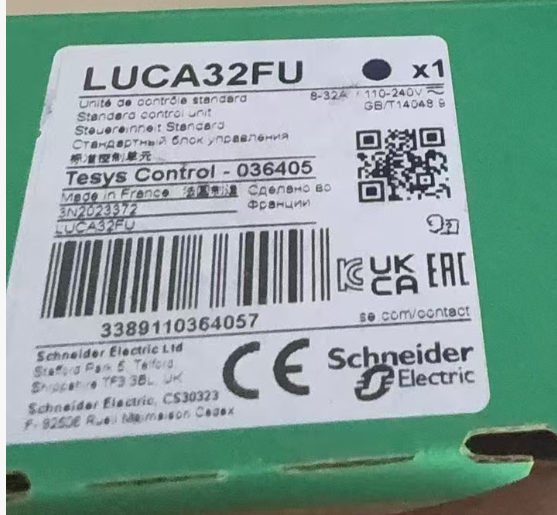
LUB12 standard controll unit
PH- A6 防水笔式高精度 pH / 温度计

Contact Info
- Address: Dezhou city,Shandong,China
- Phone: +86-15166945837
- Email: dzheibei@sohu.com